

Construction sites are bustling hubs of activity, where progress is marked by the sounds of machinery and the sight of workers diligently building structures from the ground up. However, amidst this productivity, waste management emerges as a critical concern. From debris and scraps to packaging materials, construction sites generate significant amounts of waste daily. Efficiently managing this waste not only promotes a safer and cleaner work environment but also contributes to sustainability efforts within the construction industry.
Dumpster rentals have become indispensable tools for construction site managers seeking effective waste management solutions. These large containers offer a convenient and centralized way to collect and dispose of various types of waste generated during construction projects. By strategically placing dumpsters on-site, construction teams can streamline their waste disposal processes, reducing the risk of clutter and hazards while maximizing efficiency.
The Importance of Efficient Waste Management
Efficient waste management is crucial for the success of construction projects on multiple fronts. Firstly, it ensures the safety of workers and visitors by minimizing the risk of accidents and injuries caused by clutter and debris. Secondly, it contributes to the overall productivity of the site by maintaining a clean and organized work environment, allowing for smoother operations and fewer disruptions.
Additionally, efficient waste management helps to comply with regulatory requirements and environmental standards, reducing the potential for fines or legal issues. Moreover, it aligns with sustainability goals by reducing the project’s ecological footprint and promoting responsible resource usage.
Understanding the Role of Dumpster Rentals
Dumpster rentals play a pivotal role in waste management on construction sites by providing a centralized and convenient solution for waste collection and disposal. These large containers come in various sizes and types to accommodate different types and volumes of waste generated during construction activities.
Dumpster rentals streamline the waste removal process by offering a designated location for workers to deposit debris, reducing the need for manual handling and multiple trips to disposal sites. Additionally, dumpster rental services often include waste transportation and disposal, saving construction teams time and resources in managing waste logistics. Overall, dumpster rentals serve as essential tools in maintaining cleanliness, safety, and efficiency on construction sites.
Types and Sizes of Dumpsters for Construction Sites
When it comes to managing waste on construction sites, choosing the right type and size of dumpster is crucial for efficiency and effectiveness.
Roll-off Dumpsters
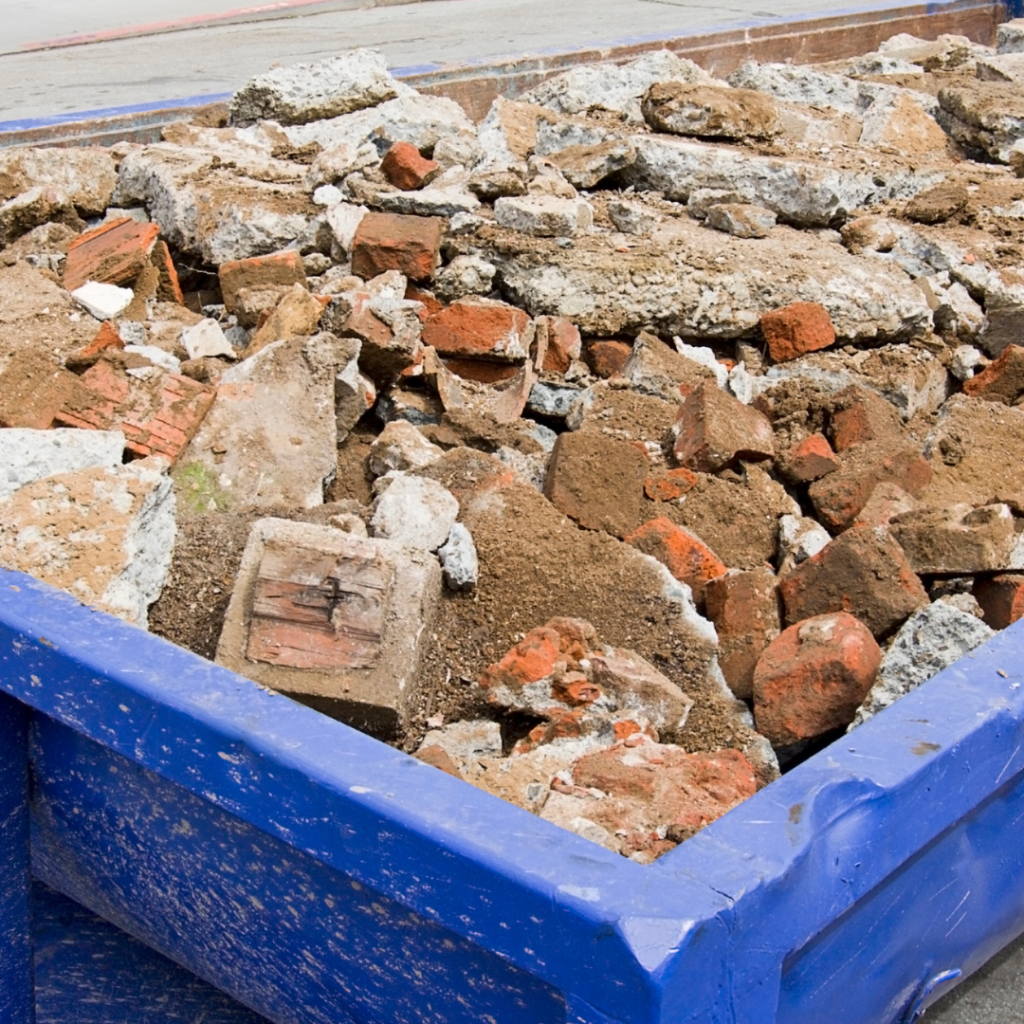
Roll-off dumpsters are versatile and commonly used in construction sites due to their convenience and flexibility. They come in various sizes, typically ranging from 10 to 40 cubic yards, making them suitable for projects of different scales. Their open-top design allows for easy loading of bulky and heavy materials such as debris, concrete, and scrap metal.
Front Load Dumpsters
Front load dumpsters are ideal for ongoing waste management needs on construction sites. Available in sizes ranging from 2 to 8 cubic yards, they are designed to accommodate regular waste collection schedules. These dumpsters feature lids to prevent unauthorized dumping and minimize odors, making them suitable for keeping construction sites clean and organized.
Compactor Dumpsters
Compactor dumpsters are efficient solutions for construction sites with high waste volumes. They utilize compacting mechanisms to compress waste, allowing for increased capacity and reduced collection frequency. Compactor dumpsters are available in various sizes, typically ranging from 12 to 40 cubic yards, and are suitable for managing large amounts of mixed waste materials efficiently.
Specialty Dumpsters
Specialty dumpsters cater to specific waste management needs on construction sites. These may include concrete dumpsters for disposing of concrete waste, recycling dumpsters for segregating recyclable materials, and hazardous waste dumpsters for handling potentially harmful substances. Specialty dumpsters come in various sizes and configurations to accommodate the unique requirements of different construction projects.
Benefits of Utilizing Dumpster Rentals
Utilizing dumpster rentals offers numerous benefits for construction projects, enhancing efficiency and promoting a safer and cleaner work environment.
- Improved Safety: Dumpster rentals help minimize clutter and debris on construction sites, reducing the risk of accidents and injuries among workers. By providing a designated location for waste disposal, dumpsters contribute to a safer work environment.
- Enhanced Efficiency: Dumpster rentals streamline the waste management process by offering a centralized solution for waste collection and disposal. This eliminates the need for multiple trips to disposal sites, saving time and resources for construction teams.
- Regulatory Compliance: Renting dumpsters from reputable providers ensures compliance with waste management regulations and environmental standards. Proper disposal of construction waste helps construction projects avoid fines and legal issues associated with improper waste handling.
- Environmental Responsibility: Dumpster rentals promote environmental responsibility by facilitating proper waste disposal and recycling practices. By segregating waste materials and recycling whenever possible, construction projects can minimize their environmental impact and contribute to sustainability efforts.
Implementing Waste Management Plans
Effective waste management on construction sites requires comprehensive planning and implementation. Developing a waste management plan involves assessing the types and volumes of waste expected, identifying recycling and disposal options, and establishing protocols for waste segregation and disposal.
Additionally, integrating waste management considerations into project timelines and budgets ensures that adequate resources are allocated for waste handling and removal. Regular monitoring and evaluation of waste management practices help identify areas for improvement and ensure ongoing compliance with regulations and sustainability goals. By implementing robust waste management plans, construction projects can minimize environmental impact, optimize resource usage, and promote a culture of sustainability.
Best Practices for Dumpster Placement
Proper placement of dumpsters is critical for efficient waste management on construction sites. Ideally, dumpsters should be strategically positioned to ensure easy access for workers while minimizing obstruction to workflow and site operations.
- Central Location: Place dumpsters in central areas easily accessible to all areas of the construction site. This reduces the time and effort required for workers to dispose of waste, enhancing overall productivity.
- Stable Ground: Ensure dumpsters are placed on stable ground to prevent tipping or shifting, which can pose safety hazards. Level surfaces also facilitate safe loading and unloading of materials, minimizing the risk of accidents.
- Clear of Obstructions: Keep dumpsters clear of obstacles such as overhead power lines, trees, or structures to prevent interference with waste disposal operations. Clear pathways around dumpsters ensure safe maneuvering of waste collection vehicles and equipment.
- Regular Monitoring: Regularly inspect dumpster placement to assess its effectiveness and make adjustments as needed. Monitoring ensures that dumpsters remain in optimal locations throughout the construction project, maximizing efficiency in waste management processes.
By adhering to these best practices, construction teams can optimize dumpster placement for efficient waste management, promoting a safe and organized work environment.
Safety Considerations in Waste Management
Safety is paramount in construction site waste management. Proper handling and disposal of waste help prevent accidents, injuries, and potential hazards to workers and the surrounding environment. Construction crews should receive training on safe waste handling practices, including proper lifting techniques, use of personal protective equipment, and identification of hazardous materials.
Additionally, clear signage and designated waste disposal areas help guide workers and prevent unauthorized dumping. Regular inspection and maintenance of dumpsters also contribute to safety by ensuring structural integrity and preventing leaks or spills. By prioritizing safety in waste management practices, construction sites can minimize risks and create a safer and healthier workplace for all involved.
Environmental Impact and Sustainability Measures
Construction activities have significant environmental impacts, making sustainability measures essential for minimizing harm to the planet.
- Waste Reduction: Implementing waste reduction strategies such as reducing material usage, reusing materials whenever possible, and minimizing packaging can significantly decrease the amount of waste generated during construction projects. This not only reduces landfill waste but also conserves natural resources.
- Recycling Programs: Establishing recycling programs on construction sites allows for the diversion of recyclable materials such as metal, wood, cardboard, and plastics from landfills. By recycling these materials, construction projects can conserve energy, reduce greenhouse gas emissions, and decrease the demand for virgin resources.
- Energy Efficiency: Incorporating energy-efficient practices and technologies into construction processes can help minimize energy consumption and greenhouse gas emissions. This includes using energy-efficient equipment, implementing passive design strategies, and utilizing renewable energy sources such as solar or wind power.
- Sustainable Material Selection: Choosing environmentally friendly materials with lower environmental footprints, such as sustainably sourced timber, recycled content materials, and low-impact alternatives, can reduce the environmental impact of construction projects.
Choosing the Right Dumpster Rental Service
Selecting the right dumpster rental service is crucial for effective waste management on construction sites. When choosing a provider, consider factors such as the range of dumpster sizes and types offered, the company’s reputation for reliability and customer service, and pricing and contract terms. Additionally, verify that the rental service complies with waste disposal regulations and environmental standards to ensure responsible handling and disposal of waste.
It’s also beneficial to inquire about additional services offered, such as waste sorting and recycling options, to maximize sustainability efforts. By partnering with a reputable dumpster rental service that meets the project’s needs and values, construction teams can streamline waste management processes and focus on project success.
Effective waste management is essential for the success of construction projects, ensuring safety, productivity, and environmental responsibility. Dumpster rentals play a pivotal role in streamlining waste collection and disposal, providing a centralized solution for construction site waste management. By implementing best practices such as strategic dumpster placement, prioritizing safety, and integrating sustainability measures, construction teams can minimize environmental impact and promote a culture of responsibility. Choosing the right dumpster rental service is key to optimizing waste management efficiency and ensuring compliance with regulations and standards.
For reliable dumpster rental services tailored to your construction project’s needs, contact Javi’s Dumpster Rental at 689-210-5771. Our experienced team offers a range of dumpster sizes and types to suit any project, along with prompt delivery and environmentally responsible waste disposal. Let us help you streamline your waste management processes and contribute to a cleaner, safer construction site. Contact Javi’s Dumpster Rental today to discuss your waste management needs and schedule your dumpster rental.